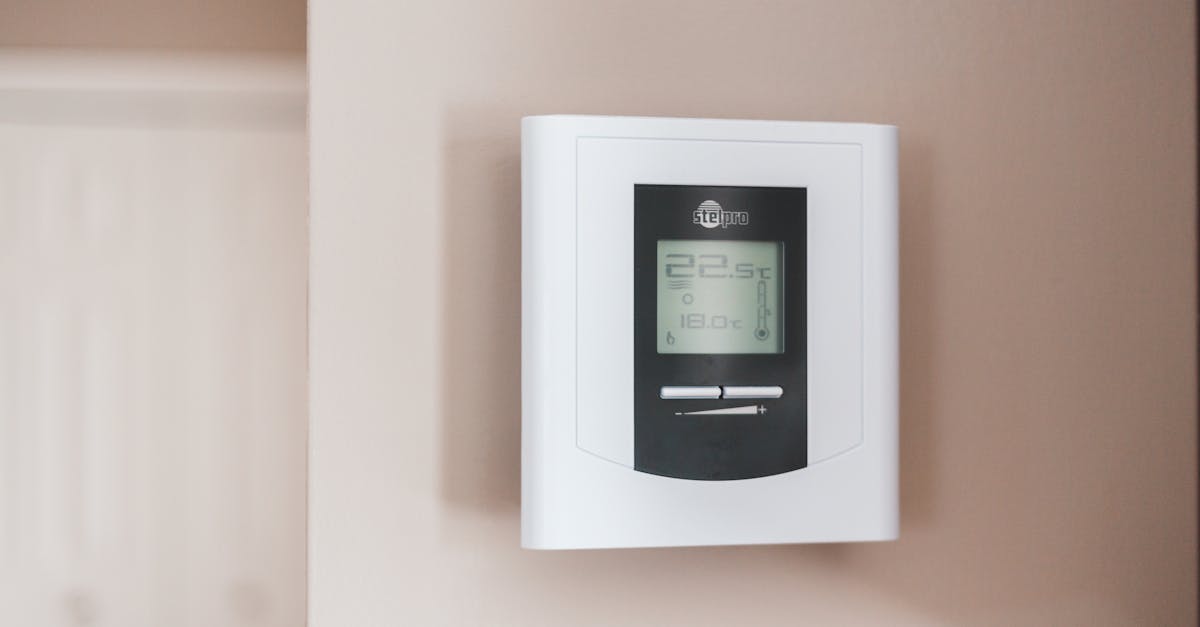
Why Most Budget Smart Thermostats Disappoint (And What Actually Works for Real Savings)
The promise of a smart thermostat is seductive: effortless home comfort, lower energy bills, and futuristic control from your phone. For many, the first step into this world is often a budget-friendly smart thermostat, costing a fraction of the premium brands. I’ve been there myself, lured by the sub-$100 price tag, imagining my energy savings piling up while I casually adjusted the temperature from my sofa. The reality, in my experience, was a frustrating blend of missed promises, inconsistent performance, and ultimately, a missed opportunity for real savings.
The mistake I see most often, and one I made myself, is assuming ‘smart’ functionality is universal across all price points. A cheap smart thermostat might connect to your Wi-Fi, it might have an app, but it often lacks the sophisticated algorithms, reliable sensors, and user-friendly design that truly deliver on the smart home dream. Instead of saving money, you often end up with a device that’s barely an upgrade from a programmable thermostat, sometimes even causing more headaches.
This isn’t about shaming budget choices; it’s about being smart with your money. If you’re looking for genuine energy savings, enhanced comfort, and a device that integrates seamlessly into your life, you need to understand where the hidden compromises lie in cheaper models and what features truly matter. What changed everything for me was shifting my focus from the upfront cost to the long-term value and actual performance. It’s about buying a solution, not just a gadget.
Key Takeaways
- Budget smart thermostats often lack the crucial sensors and algorithms for true energy optimization.
- Manual adjustments on cheaper models lead to inconsistent savings, defeating the ‘smart’ purpose.
- Prioritize reliable remote control and intuitive scheduling over basic app connectivity.
- Investing in a reputable brand with robust learning capabilities offers superior long-term savings and comfort.
The Illusion of ‘Smart’ Without Sensing
The biggest hidden flaw in most budget smart thermostats is their lack of sophisticated internal and external sensors. A truly smart thermostat doesn’t just turn on the AC when it’s hot; it understands the environment. Cheaper models often rely on a single, internal temperature sensor, providing a very limited picture of your home’s thermal dynamics. In my first foray into smart thermostats, I picked up a highly-rated model under $75, thinking I’d struck gold.
What I quickly realized was that while it showed the temperature at the thermostat itself, it had no idea what was happening in my sun-drenched living room versus my shaded bedroom. The result? My living room would be sweltering in the afternoon while the thermostat, located in a cooler hallway, thought everything was fine. I found myself constantly manually adjusting, which completely negated the ‘smart’ aspect and the supposed energy savings. The whole point of a smart thermostat is that it learns and adapts without constant intervention.
What Actually Works: A genuinely smart thermostat leverages multiple data points. Premium models often incorporate humidity sensors, occupancy sensors, and even external weather data to make informed decisions. Some even offer remote sensors that you can place in different rooms, allowing the system to average temperatures or prioritize comfort in occupied areas. This comprehensive data allows the thermostat to truly optimize heating and cooling, preventing overshooting or undershooting, and ensuring comfort where and when you need it most. For example, my current system has remote sensors in my upstairs bedrooms. It knows to prioritize cooling those rooms in the summer evening, even if the downstairs is already comfortable, ensuring a good night’s sleep without excessive energy use. This level of granular control is impossible with a basic, single-sensor budget model.
The Pitfall of Manual Overrides and ‘Basic’ Learning
Many budget smart thermostats advertise ‘learning capabilities’ or ‘adaptive scheduling.’ In my experience, this often translates to a very rudimentary form of learning, primarily based on direct manual adjustments. If you constantly tweak the temperature on a cheap model, it might eventually learn those patterns. The problem is, if your schedule isn’t perfectly predictable, or if you have guests, or if the weather shifts unexpectedly, those ‘learned’ patterns become inefficient.
My first budget thermostat would dutifully warm the house at 7 AM because I’d manually set it that way for weeks. But then, if I was out of town, or if I had a day off and wanted to sleep in, it would still blast the heat, wasting energy. The ‘learning’ was more like a digital sticky note than true intelligence. I was still effectively operating a programmable thermostat, just with a fancy app. The mental load of constantly checking and overriding the system meant I wasn’t saving energy; I was just shifting my engagement from a wall panel to a phone screen.
What Actually Works: Look for thermostats with true occupancy detection and geofencing capabilities. Premium devices use motion sensors to know if you’re home or away and adjust accordingly. Geofencing, which uses your phone’s location, is a game-changer. My current thermostat automatically sets the temperature back when I leave a certain radius from home and starts heating or cooling when I’m on my way back. This ensures I never waste energy heating an empty house, but always return to comfort. Beyond basic schedules, sophisticated algorithms in better thermostats analyze your HVAC system’s performance, local weather patterns, and your preferences over time to create an optimized schedule that minimizes energy use while maximizing comfort. They understand thermal lag and pre-condition your home, rather than reacting in real-time. This dynamic adaptation is where real savings are found, often reducing heating and cooling costs by 10-20% annually, far more than any upfront savings on a cheap device.
Unreliable Connectivity and Clunky Apps
Another major frustration with budget smart thermostats is the often-flaky Wi-Fi connectivity and poorly designed apps. The allure of controlling your thermostat from anywhere quickly fades if the app constantly crashes, the connection drops, or the interface is unintuitive. I remember countless times opening the app on my cheap thermostat only for it to endlessly spin, failing to connect to the device. This wasn’t just an annoyance; it became a genuine problem when I was away on vacation and wanted to adjust the temperature for my pets or to ensure pipes didn’t freeze.
A ‘smart’ device that isn’t reliably connected is just a dumb device with extra steps. The app should be seamless, responsive, and provide clear information and easy control. On budget models, I found myself fighting with the app more than benefiting from it. Features like energy usage reports, which are critical for understanding and optimizing consumption, were either non-existent or so poorly presented they were useless.
What Actually Works: Prioritize thermostats from established brands known for robust Wi-Fi stability and well-engineered, user-friendly apps. These apps offer intuitive scheduling interfaces, clear energy usage dashboards, and reliable remote access. Look for seamless integration with other smart home platforms like Google Home or Amazon Alexa if you use them, enabling voice control. For example, my current thermostat’s app not only provides detailed daily and monthly energy reports but also offers personalized tips based on my usage patterns. It proactively alerts me to unusual usage and even reminds me when it’s time to change my air filter. This level of reliable, insightful control is worth the investment, transforming your interaction from frustration to genuine empowerment over your home’s climate.
The Overlooked Importance of HVAC System Integration
Most budget smart thermostats are designed for basic HVAC compatibility: turn on heat, turn on cool, maybe run the fan. This ‘one-size-fits-all’ approach often overlooks the nuances of different heating and cooling systems, potentially leading to inefficient operation or even compatibility issues. I once installed a budget thermostat that claimed compatibility with multi-stage systems, but its control logic was so rudimentary that my furnace was short-cycling, turning on and off too frequently. This not only wasted energy but also put undue wear and tear on my expensive equipment.
True smart thermostats understand the complexities of your HVAC system. They know that running a fan for a short period after the AC turns off can extract residual cool air, saving energy. They can intelligently control multi-stage heating and cooling for optimal efficiency, staging up gradually rather than blasting full power immediately. They can also manage accessories like humidifiers or dehumidifiers, integrating climate control holistically.
What Actually Works: Invest in a smart thermostat that offers advanced HVAC system integration. This means it can intelligently control multi-stage heating/cooling, heat pumps with auxiliary heat, and even humidity accessories. Look for features like furnace filter reminders (based on actual run time, not just arbitrary dates) and HVAC system diagnostics that can alert you to potential problems before they become costly repairs. Some higher-end models even learn your system’s unique heating and cooling curves, optimizing run times for maximum efficiency. This level of deep integration ensures your expensive HVAC system operates at its peak, prolonging its life and delivering real, measurable savings far beyond the cost of the thermostat itself. It’s the difference between a simple on/off switch and a finely tuned orchestra conductor for your home’s climate system.
Compromised Security and Privacy Concerns
It’s easy to overlook security and privacy when buying a cheap smart device. Many budget manufacturers cut corners on software development, and that often includes security protocols and data handling. A smart thermostat is connected to your home network and collects data about your presence and habits. If these devices have weak security, they can become a backdoor into your entire home network or expose sensitive information about your daily routines.
While I didn’t personally experience a security breach with my budget thermostat, the lack of transparency from the manufacturer about data encryption, privacy policies, and firmware updates was a constant low-level concern. Firmware updates, in particular, are crucial for patching vulnerabilities. Cheaper brands often abandon support for older models quickly, leaving users exposed.
What Actually Works: Choose smart thermostat brands with a strong reputation for security and privacy. Look for clear statements on data encryption, adherence to privacy regulations, and a history of consistent firmware updates. Reputable companies invest heavily in securing their devices and protecting user data. They also often provide more control over what data is collected and how it’s used. Before purchasing, check online reviews and the manufacturer’s website for their privacy policy and commitment to security updates. This ensures that your smart thermostat isn’t just making your home more comfortable, but also keeping it secure, providing genuine peace of mind.
Frequently Asked Questions
Q: Are budget smart thermostats completely useless then?
A: Not entirely, but their ‘smart’ capabilities are often limited. They can provide basic remote control and sometimes rudimentary scheduling via an app, which is an upgrade from a completely manual thermostat. However, for true energy optimization, advanced learning, and seamless integration that leads to significant savings and comfort, they typically fall short of more premium models.
Q: What’s the minimum I should expect to spend for a ‘good’ smart thermostat?
A: In my experience, you should expect to spend at least $150-$250 for a smart thermostat that genuinely delivers on its promises. This price point usually ensures robust sensors, sophisticated algorithms, reliable connectivity, and better HVAC system integration, which are crucial for long-term savings and comfort.
Q: Can a budget smart thermostat actually increase my energy bill?
A: Potentially. If a budget smart thermostat lacks proper sensing, learning capabilities, and reliable scheduling, you might find yourself constantly overriding it or running your HVAC system inefficiently. For example, if it doesn’t accurately detect occupancy or adapt to weather changes, it could heat or cool an empty home more than necessary, leading to increased energy consumption compared to a thoughtfully programmed traditional thermostat.
Q: What specific features should I look for in a smart thermostat if I want real savings?
A: Prioritize geofencing, true occupancy detection (not just relying on a single sensor), advanced algorithms that learn your home’s thermal patterns and HVAC system, integration with local weather data, and the ability to connect to remote sensors. These features collectively enable the dynamic optimization needed for significant energy savings.
Q: How important is professional installation for a smart thermostat?
A: For most standard installations, it’s a DIY-friendly process if you’re comfortable with basic wiring. However, if you have a complex HVAC system (e.g., multi-stage heat pumps, zone control, or accessory wires for humidifiers/dehumidifiers), or if you’re unsure about the wiring, professional installation is highly recommended to ensure correct setup, optimal performance, and to avoid potential damage to your HVAC system or the thermostat itself.
Conclusion
When it comes to smart thermostats, the adage ‘you get what you pay for’ rings especially true. My journey through the world of budget-friendly options taught me a valuable lesson: true savings and smart home convenience come from intelligent design and robust features, not just a low price tag. While a cheap smart thermostat might offer a tantalizing entry point, it often delivers a diluted experience that can lead to frustration and negligible, if any, real energy savings.
Instead of focusing on the immediate cost, think of a smart thermostat as a long-term investment in your home’s comfort and efficiency. By prioritizing features like advanced sensing, true learning algorithms, reliable connectivity, and comprehensive HVAC integration, you’re choosing a device that works for you, adapting seamlessly to your life and genuinely reducing your energy footprint. Make the smart investment upfront, and you’ll find yourself not just with a fancier gadget, but with a more comfortable home and a noticeably lighter energy bill.
Written by Marcus Thorne
Finance & Home Management
With a background in financial journalism, Marcus demystifies complex economic concepts for everyday application.
You Might Also Like
Home Management
Why Most Budget Home Appliances Are a False Economy (And What Actually Works for Long-Term Value)
Home Management
Why Most Home Security Systems Fail You (And What Actually Works for Real Protection)
Home Management