Why Most Budget Camping Gear Fails (And The 'Smart Splurge' Strategy That Actually Works)
For years, I believed that enjoying the outdoors meant either shelling out a fortune for top-tier gear or constantly replacing flimsy, budget-friendly items. I vividly remember my first ‘budget’ camping trip: a tent that leaked in a light drizzle, a sleeping bag that offered no warmth on a cool night, and a flimsy camp chair that buckled under the weight of a hearty meal. Each failure chipped away at the joy of being outside, leaving me frustrated and, frankly, poorer in the long run. I was stuck in a cycle of buying cheap, replacing often, and never truly feeling prepared or comfortable.
But what if there was a middle ground? What if you could equip yourself for genuine outdoor adventures without emptying your retirement fund, and without the constant disappointment of gear failure? I’ve spent years navigating this exact challenge, learning the hard way what constitutes a true value in camping gear and where ‘saving money’ actually costs you more. The mistake I see most often isn’t trying to save money; it’s how people try to save it, leading them down a path of false economy and diminished experiences.
This isn’t about buying the absolute cheapest thing you can find. It’s about a strategic approach – what I call the ‘Smart Splurge’ Strategy – that identifies critical gear where quality truly matters and helps you prioritize your spending for maximum enjoyment and durability. It’s about understanding the subtle but significant differences that make certain items worth the investment, while others are perfectly fine as budget options. What changed everything for me was realizing that outdoor comfort and safety aren’t luxuries; they’re foundational to a positive experience, and they often hinge on a few key pieces of equipment.
Key Takeaways
- Most budget camping gear fails due to overlooked material quality and poor construction in critical components.
- The ‘Smart Splurge’ strategy focuses on investing in core gear for safety, comfort, and longevity (shelter, sleep system, cooking) while saving on less critical items.
- Prioritize durability and performance over flashy features, and always check user reviews for real-world reliability.
- Learn basic gear maintenance to extend the life of both your budget and splurge items, maximizing your investment.
The Illusion of Savings: Why ‘Cheap’ Always Costs More in the Long Run
When I first started camping, I approached it with a strict budget mindset, believing that all gear, regardless of price, performed essentially the same function. A tent is a tent, right? A sleeping bag is a sleeping bag. This naive perspective led to a constant cycle of disappointment and re-purchasing. My $50 tent, after two rainy nights, was soaked through, leading to a miserable early exit from a trip. My $30 sleeping bag left me shivering, drastically cutting short my sleep and my enjoyment. The ‘savings’ evaporated when I had to buy a replacement mid-season, often at an inflated price due to urgency.
The problem with most budget camping gear isn’t just a slight drop in performance; it’s a fundamental compromise in material quality, construction, and often, critical design elements. For example, a budget tent might use a lower denier fabric that tears easily, has weak zippers that snag and break, or lacks adequate waterproofing coatings and seam sealing. A cheap sleeping bag might boast a high temperature rating, but use low-quality synthetic insulation that clumps and loses loft quickly when exposed to moisture or compression, rendering it useless in genuine cold. These aren’t minor inconveniences; they directly impact your safety, comfort, and the overall success of your trip.
Think about the components that truly matter: the integrity of a tent’s rainfly, the loft and fill power of a sleeping bag’s insulation, the resilience of a backpack’s stitching, or the efficiency of a camp stove. Budget versions of these items often cut corners on these exact features. Instead of durable ripstop nylon, you get flimsy polyester. Instead of robust YKK zippers, you get generic ones that fail with regularity. The ‘savings’ are superficial, because you’ll likely replace these items multiple times, eventually spending more than if you had invested in a mid-range, quality item from the start. In my experience, a slightly higher initial outlay for critical gear translates to years of reliable use, transforming outdoor adventures from a test of endurance into a genuine pleasure.
The ‘Smart Splurge’ Strategy: Where to Invest Your Hard-Earned Money
The cornerstone of my camping philosophy now is the ‘Smart Splurge’ strategy. This isn’t about spending lavishly, but about spending wisely. It acknowledges that not all gear is created equal, and some items directly impact your safety, comfort, and the longevity of your outdoor pursuits. For these core items, I advocate for investing in quality, while being perfectly content to save on less critical peripherals.
My top three splurge categories are shelter, sleep system, and cooking equipment. Let me break down why:
Shelter (Tent/Hammock System): This is your primary defense against the elements. A leaky tent, a broken pole, or a compromised rainfly can turn a fun trip into a dangerous ordeal. A good quality tent (think mid-range brands like Marmot, Eureka, or REI’s house brand) will feature durable ripstop fabric, strong aluminum poles, reliable zippers, and factory-sealed seams. These features ensure you stay dry, protected from wind, and comfortable, allowing you to actually enjoy your time outdoors regardless of weather. My first proper tent, a lightweight two-person model, cost me about $250. It’s still going strong after seven years and countless trips, easily justifying the investment when compared to the three cheaper tents it replaced.
Sleep System (Sleeping Bag & Pad): After a long day of hiking or exploring, a good night’s sleep is non-negotiable for recovery and morale. Your sleeping bag and sleeping pad work together to insulate you from the cold ground and retain body heat. Skimping here often means shivering through the night, leading to exhaustion and a desire to cut your trip short. A quality sleeping bag with appropriate temperature ratings (down or high-quality synthetic fill) and a well-insulated, comfortable sleeping pad (like an inflatable self-inflating pad or a good closed-cell foam pad) are worth their weight in gold. I remember upgrading to a good sleeping pad that cost around $80 – suddenly, those cold, bumpy nights were a thing of the past. The difference in my energy and enjoyment was profound.
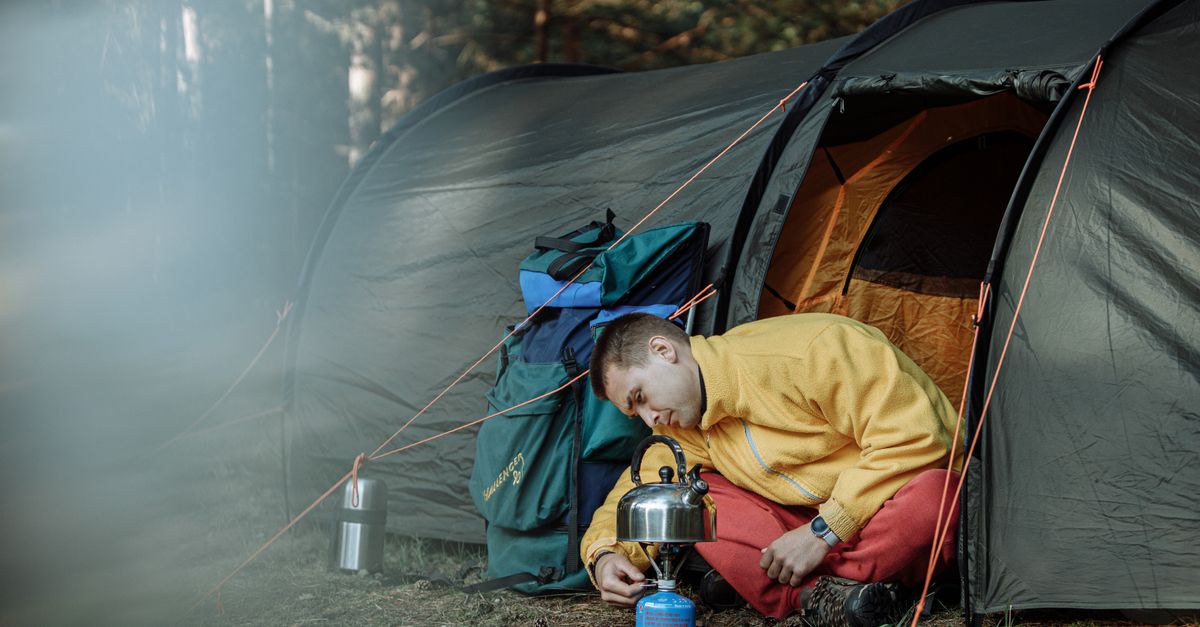
Cooking Equipment (Stove & Basic Cookware): Fueling your body is essential, and a reliable cooking system makes it easy and enjoyable. A compact, efficient camp stove from a reputable brand (MSR, Jetboil, Coleman) will light reliably, boil water quickly, and withstand repeated use. Pair this with a durable, lightweight pot set, and you have the foundation for delicious and easy camp meals. A budget stove might refuse to light in the cold or take forever to boil, wasting precious fuel and testing your patience. I learned this when a cheap stove fizzled out on a cold morning, leaving me with cold coffee and uncooked oatmeal. That was the day I invested in a reliable MSR PocketRocket, and I haven’t looked back.
For everything else – headlamps, camp chairs, basic utensils, dry bags, fire starters – perfectly good budget options exist. These items, while important, rarely jeopardize your core safety or comfort if they fail or underperform slightly. For these, I’m all about finding a deal and embracing the ‘good enough’ principle.
Spotting Quality: What to Look for Beyond the Price Tag
Identifying quality gear isn’t always intuitive, especially when you’re new to the outdoor world. It’s easy to be swayed by marketing jargon or attractive price points. My method for spotting quality, honed through years of trial and error, boils down to a few key indicators:
Materials Matter: For tents, look for terms like ‘ripstop nylon’ or ‘polyester with a high denier count’ (e.g., 70D or higher for floor, 30D for fly). For sleeping bags, understand the difference between down fill power (600-800+ is good) and synthetic insulation types (e.g., PrimaLoft, Climashield). These aren’t just buzzwords; they indicate performance and durability. For backpacks, look for heavier denier fabrics like Cordura or robust nylon that can withstand abrasion.
Construction Details: This is where budget gear often falls apart, quite literally. Inspect seams – are they double-stitched? Taped for waterproofing? Check zippers – YKK zippers are a gold standard for reliability. Look at hardware like buckles and clasps; flimsy plastic often indicates a cheaply made product. Tent poles should be aluminum, not fiberglass, for durability and weight. These small details might seem minor, but they dictate how long your gear will last under real-world conditions. My first budget backpack had shoulder straps that started to fray after just two trips because the stitching was so weak.
Reputable Brands vs. Generic: While not always true, established outdoor brands generally have a reputation to uphold. Brands like Osprey, Patagonia, The North Face, Black Diamond, MSR, Deuter, or Big Agnes consistently produce quality gear because their business depends on it. They invest in R&D, use better materials, and have more stringent quality control. While their prices are higher, you’re paying for expertise and reliability. That doesn’t mean you can’t find good smaller brands, but exercise more caution and rely heavily on detailed reviews.
User Reviews (But with a Grain of Salt): Websites like REI, Backcountry, and even Amazon can be great resources for reviews. Look for patterns in feedback: do multiple people complain about the same zipper failure or waterproofing issue? Pay attention to reviews that detail how the gear performed in specific conditions (rain, cold, heavy use) rather than just initial impressions. Be wary of reviews that are overly enthusiastic or vague, especially if they appear shortly after a product launch.
Ultimately, quality gear should feel substantial, well-finished, and free of obvious flaws. It’s often slightly heavier than the lightest ultralight options but offers a noticeable difference in resilience and performance compared to the cheapest alternatives.
The Real Cost of Neglecting Maintenance: Protecting Your Investment
Even the highest quality gear won’t last if you neglect its care. This is a lesson I learned the hard way, thinking my ‘splurge’ items were invincible. My first expensive down sleeping bag, left damp in its stuff sack for a week after a trip, developed mildew and lost significant loft. A valuable lesson learned: proper care extends the life of your gear exponentially, saving you money and hassle in the long run.
Cleanliness is Key: Always clean your gear after a trip. Wipe down tents, wash sleeping bags (according to manufacturer instructions), and clean cookware. Dirt, grim, and food particles can degrade fabrics, clog zippers, and attract critters. For tents, a simple wipe-down with a damp cloth and ensuring it’s completely dry before packing away prevents mildew.
Proper Storage: This is often overlooked. Never store sleeping bags or insulated jackets compressed in their stuff sacks for extended periods. This crushes the insulation, reducing its loft and warmth over time. Store them loosely in large mesh bags or hung in a closet. Store tents loosely packed in a cool, dry place, not tightly rolled and stuffed into their small bag, which can stress seams and coatings.
Timely Repairs: Don’t wait for a small tear to become a gaping hole. Patch rips in tents, backpacks, or jackets immediately with gear patches. Mend loose stitching. Replace worn-out zipper pulls. Proactive, small repairs prevent catastrophic failures down the line. A tiny rip in my tent’s rainfly once turned into a foot-long gash because I ignored it for a season; a $5 patch could have saved me a much larger repair bill or even a new rainfly.
Re-Waterproofing: Over time, the DWR (Durable Water Repellent) coating on tents and rain jackets wears off. Fabrics will ‘wet out’ even if they aren’t leaking. Periodically re-treat these items with spray-on or wash-in DWR treatments. This revitalizes their water repellency and helps maintain breathability. Most quality gear is designed to be reproofed, a small investment that adds years to its life.
Treating your gear well is an extension of the ‘Smart Splurge’ strategy. It ensures that the money you invested continues to pay dividends in reliable performance and comfortable adventures. It’s not just about buying quality; it’s about respecting and maintaining that quality.
Beyond the Gear: The Mindset Shift That Transforms Your Adventures
While gear is important, my biggest takeaway from years of trial and error is that the right mindset transforms your outdoor adventures more than any single piece of equipment. My early trips were filled with anxiety about what would break next or how uncomfortable I’d be. This shifted dramatically once I adopted the ‘Smart Splurge’ strategy and started to truly understand my needs and the value of thoughtful preparation.
Prioritize Experience Over Equipment: The goal isn’t to own the most expensive gear; it’s to have fulfilling experiences. Investing in key pieces of equipment frees you from constant worry about gear failure, allowing you to immerse yourself in nature, enjoy the company, or simply relax. Knowing my tent wouldn’t leak and my sleeping bag would keep me warm allowed me to focus on the stars, the campfire, and the quiet of the wilderness, rather than being preoccupied with discomfort.
Embrace Imperfection and Adaptability: Even with the best gear, things can go wrong. Weather changes, plans shift, and sometimes a piece of equipment might underperform. A quality mindset doesn’t demand perfection; it cultivates adaptability. Knowing how to improvise, make small repairs, or adjust your plans is just as valuable as the gear itself. I’ve learned to carry a small repair kit with duct tape, safety pins, and a needle and thread – simple tools that have saved countless situations.
Know Your Limits and Conditions: Understand the capabilities of your gear and your own limits. Don’t take a 3-season tent into a winter storm or a summer sleeping bag into freezing temperatures, no matter how expensive. Research the conditions you’ll face and match your gear accordingly. This isn’t about buying more gear for every scenario, but about making informed choices that align with safety and comfort. This awareness alone can prevent more issues than any amount of money spent on gear.
Adopting the ‘Smart Splurge’ strategy isn’t just about financial prudence; it’s about cultivating a deeper appreciation for your outdoor experiences. It moves you from constantly fighting your gear to seamlessly enjoying your surroundings, turning every trip into a memory, not a struggle.
Frequently Asked Questions
What’s the absolute minimum I should splurge on if I’m on a very tight budget?
If you absolutely must choose only one or two categories, prioritize your shelter (tent) and your sleep system (sleeping bag and pad). These directly impact your safety, warmth, and ability to get restorative sleep, which are fundamental to a positive outdoor experience. You can manage cooking with simpler, less efficient methods if necessary, but being cold, wet, or unable to sleep comfortably will quickly ruin any trip.
Can I find good quality gear used or on sale?
Absolutely! Buying used or waiting for sales is an excellent way to implement the ‘Smart Splurge’ strategy without paying full retail. Check reputable online marketplaces (like GearTrade, Facebook Marketplace groups for outdoor gear), consignment stores, or manufacturer’s outlet sections. Many outdoor retailers also have annual sales events (e.g., REI’s anniversary sale). Just be sure to thoroughly inspect used gear for damage, especially zippers, seams, and insulation integrity.
How do I know the correct temperature rating for a sleeping bag?
Sleeping bag temperature ratings are often a source of confusion. Look for EN (European Norm) or ISO (International Organization for Standardization) ratings, which are standardized. The ‘comfort’ rating is generally the lowest temperature at which an average person can sleep comfortably, while the ‘limit’ rating is for experienced users who might be cold but can still survive. Always err on the side of caution; if you tend to sleep cold, choose a bag with a comfort rating 10-15 degrees Fahrenheit lower than the lowest temperature you expect to encounter.
What are some common mistakes when buying a tent?
Common mistakes include underestimating the packed size and weight for backpacking, choosing a low-quality rainfly (often indicated by a low hydrostatic head rating for waterproofing), overlooking ventilation (leading to condensation), or selecting a tent without sufficient interior space for you and your gear. Always consider the primary use (backpacking vs. car camping), the number of occupants, and expected weather conditions.
Is it worth buying ultralight gear for beginners?
For most beginners, ultralight gear is an unnecessary splurge. It often comes with a significant price premium, and the weight savings typically come from using thinner, less durable materials that require more careful handling. Focus on durability and comfort first. As you gain experience and understand your specific needs, you can gradually upgrade to lighter components where it makes the most sense for your style of adventure.
Conclusion
My journey from constantly replacing cheap, unreliable camping gear to curating a dependable, enjoyable setup wasn’t about spending unlimited amounts of money. It was about a profound shift in how I approached my purchases – moving from a ‘cheapest first’ mentality to a ‘Smart Splurge’ strategy. By strategically investing in the core pieces that genuinely impact my safety and comfort, I’ve transformed my outdoor experiences. No longer am I wrestling with leaky tents or shivering through the night. Instead, I’m fully present, enjoying the natural world as it’s meant to be enjoyed.
This isn’t just about saving money in the long run; it’s about enhancing your connection with nature and ensuring every adventure is a source of joy, not frustration. So, next time you’re eyeing a new piece of gear, take a moment to ask yourself: Is this a critical item for my comfort and safety? If so, consider the ‘Smart Splurge.’ If not, feel free to hunt for that great deal. Your future outdoor self will thank you for the thoughtful investment. Start by identifying the single piece of gear that has caused you the most discomfort or frustration on past trips, and make that your first ‘smart splurge.’ The difference will be immediate and impactful.
Written by Lena Petrova
Relationships & Leisure
Lena, a retired educator, shares wisdom on fostering strong relationships and cultivating enriching hobbies.
You Might Also Like
Lifestyle
Why Most Family Vacations Fail (And What Actually Works for Real Connection)
Lifestyle
Why Most Beginners Fail at Mastering Photography (And What Actually Works Beyond Auto Mode)
Lifestyle