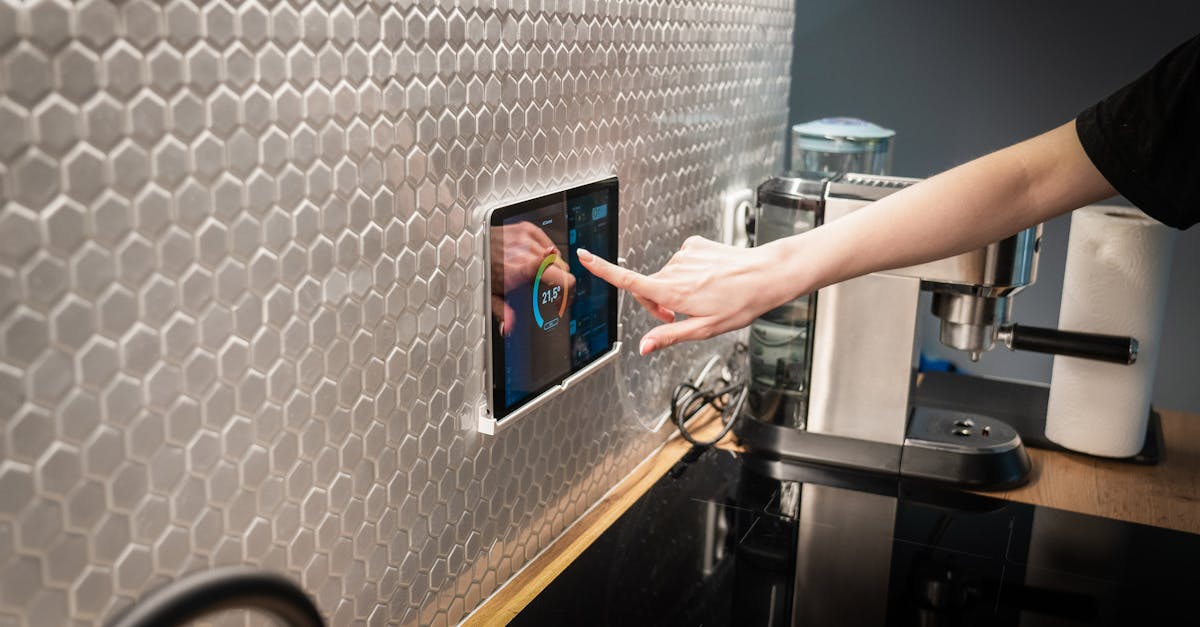
Why Most People Fail at Mastering Their New Smart Home (And What Actually Works)
The dream of a smart home is captivating: lights dimming automatically as you settle onto the couch, your coffee brewing just as your alarm sounds, and the perfect temperature maintained without a thought. It’s a vision of effortless living, where technology anticipates your needs and fades into the background. I was just as enchanted when I first decided to dive into the smart home world. I bought every ‘smart’ gadget I could get my hands on: smart bulbs, plugs, thermostats, speakers, and even a smart pet feeder. The initial setup was exciting, full of possibilities.
But that initial excitement quickly soured. My devices rarely worked together seamlessly. I spent more time troubleshooting than enjoying the supposed convenience. Lights would randomly turn on at 3 AM. My ‘smart’ pet feeder would occasionally forget to feed the cat. Simple voice commands often ended in frustrating repetitions. It felt like I was managing a miniature tech support department, not living in an automated paradise. I realized then that the promise of ‘smart’ rarely translates to ‘effortless’ without a deeper understanding of how these systems truly integrate. The mistake I see most often is treating individual smart devices like disconnected upgrades, rather than components of a unified, intelligent system. What changed everything for me was shifting my focus from individual gadgets to the overarching ecosystem, and adopting a layered approach to integration.
Key Takeaways
- Resist the urge to buy disparate ‘smart’ gadgets; prioritize a unified ecosystem and a central hub for seamless integration.
- Start with simple, high-impact automations for common daily routines before attempting complex scenarios.
- Focus on reliable, local control and robust network infrastructure to minimize frustrating delays and outages.
- Design automations around actual needs and desired outcomes, rather than just technology’s capabilities.
The Ecosystem Trap: Why Disparate Devices Cause More Problems Than They Solve
When most people start their smart home journey, they pick up a smart bulb here, a smart plug there, maybe a different brand of smart speaker. Each device promises to make one small part of their home smarter, and on its own, it might even work fairly well. The problem arises when these devices, from different manufacturers and running on different platforms, are expected to communicate and cooperate. It’s like trying to build a symphony orchestra with musicians who all speak different languages and read different musical notations. It’s chaos.
In my early days, I had Phillips Hue bulbs, TP-Link Kasa smart plugs, a Nest thermostat, and an Amazon Echo. Each had its own app, its own set of rules, and its own quirks. I found myself juggling four different apps just to manage basic functions. When I tried to create routines that involved devices from different brands – say, turning on a specific light and adjusting the thermostat with one command – I ran into constant compatibility issues. Commands would lag, some devices wouldn’t respond, or worse, they’d trigger incorrectly. The ‘smart’ home felt incredibly dumb.
What actually works is committing to a primary ecosystem and a central hub. Think of your smart home like a brain and its nervous system. The hub is the brain, coordinating all signals and actions. The ecosystem dictates the language. Apple HomeKit, Google Home, Amazon Alexa, and Samsung SmartThings are the major players, each with its strengths and weaknesses. Choosing one means prioritizing devices that are explicitly compatible and designed to work together. This dramatically reduces troubleshooting and enhances reliability.
For instance, after my initial struggles, I standardized on a HomeKit-centric setup. I invested in a HomePod Mini as my central hub and then consciously selected devices with HomeKit compatibility. This meant foregoing some cheaper, non-compatible options, but the trade-off in stability and ease of automation was immense. All my devices now speak the same language, controlled from a single app, and respond almost instantaneously. The initial higher investment in fewer, more integrated devices paid dividends in reduced frustration and genuine convenience.
Overcomplicating Automations: Starting Simple for Sustainable Success
Another common pitfall is immediately trying to build incredibly complex automations. Inspired by online forums or enthusiastic tech reviews, people try to automate every single nuanced interaction in their home, often before they’ve mastered the basics. They want their lights to change color based on the weather, their blinds to adjust to the angle of the sun, and their coffee machine to start brewing only if they’ve had at least seven hours of sleep and the stock market is up. While these are possible, they’re not where you should start.
My first attempt at an advanced automation was a disaster. I tried to create a ‘Good Morning’ routine that would gradually brighten the bedroom lights, start the kitchen lights, trigger the smart coffee maker, and play a specific news briefing, all contingent on my alarm going off AND the living room motion sensor not detecting activity (to avoid waking my partner if I was already up). It was an elaborate Rube Goldberg machine of conditional logic. More often than not, it failed. The coffee wouldn’t brew, the lights would blast on instead of gradually brightening, or the news would start in the middle of the night because a ghost apparently walked through my living room.
What actually works is building automations incrementally and with clear, singular goals. Start with something simple, reliable, and genuinely useful. What’s one thing you do every single day that could be made a little easier? For me, it was turning off all the lights when I left the house and turning a specific set on when I returned. This required two simple automations: one triggered by my phone leaving a geofence, another by entering it. These were easy to set up, highly reliable, and immediately provided a tangible benefit.
Once those foundational automations were solid, I slowly added layers. Next, came the ‘Good Night’ routine: turn off all lights, lock the front door, set the thermostat to sleep mode. Then a ‘Movie Night’ scene: dim living room lights, turn off kitchen lights, turn on a bias light behind the TV. Each step was a small, manageable project. The key is to achieve consistent success with simple automations, which builds confidence and a deeper understanding of how your system behaves, before tackling more intricate scenarios. This ‘crawl, walk, run’ approach prevents the overwhelm and frustration that often lead to abandoning the smart home altogether.
The Network Blind Spot: Underestimating Infrastructure Requirements
Many people view smart devices as independent units that magically connect to the internet. They plug them in, pair them, and expect seamless performance. What they often overlook is the critical role of their home network infrastructure. A weak Wi-Fi signal, an outdated router, or an overloaded network will cripple even the most expensive smart devices. It’s like buying a Ferrari and trying to drive it on a muddy, potholed dirt track. The car might be powerful, but its performance will be terrible.
I learned this the hard way with my first batch of smart plugs. They were constantly disconnecting, especially the ones furthest from my router. My smart camera would buffer endlessly. Voice commands to my smart speaker would often result in ‘I’m having trouble connecting to the internet’ messages, even when my laptop was working fine. I blamed the devices, but the real culprit was my aging ISP-provided router and the sheer number of devices fighting for bandwidth.
What actually works is investing in a robust and reliable home network. This typically means upgrading to a modern mesh Wi-Fi system, ensuring adequate coverage throughout your home, and considering wired connections for stationary, high-bandwidth devices (like smart TVs or hubs). Furthermore, understanding the different wireless protocols (Wi-Fi, Bluetooth, Zigbee, Z-Wave) and how they impact your network is crucial. Many smart devices, especially older ones, use 2.4 GHz Wi-Fi, which can become congested easily. Newer standards like Thread and Matter are designed to improve this, but your core network still needs to be solid.
After much frustration, I upgraded to a Wi-Fi 6 mesh system and added a dedicated hub that communicated via Zigbee and Thread. This offloaded many of my smart devices from the main Wi-Fi network, significantly reducing congestion and improving response times. Suddenly, my lights responded instantly, my cameras streamed smoothly, and my pet feeder became reliably, well, smart. A strong network is the invisible backbone of any successful smart home; neglecting it guarantees a subpar experience.
Chasing Features, Forgetting Needs: Designing for Desired Outcomes
The smart home market is flooded with devices boasting an impressive array of features. It’s easy to get caught up in the marketing hype and buy a device because it can do something cool, rather than because it addresses a genuine need or improves a specific aspect of your life. This leads to a collection of underutilized gadgets and a home that’s ‘smart’ in capability but not in utility.
I fell into this trap with a smart mirror. It could display the weather, my calendar, news headlines, and even connect to my fitness tracker. I bought it because it looked futuristic and seemed like the ultimate ‘smart’ accessory. In reality, it ended up being an expensive, glorified mirror. I rarely used the smart features. I checked the weather on my phone, my calendar was on my computer, and the news was on my smart speaker. It was a solution looking for a problem that didn’t exist in my daily routine.
What actually works is approaching smart home integration with a needs-first, outcome-driven mindset. Before buying any device or setting up any automation, ask yourself: What problem am I trying to solve? How will this make my life genuinely easier or better? Don’t just automate for automation’s sake. Automate to achieve a specific, desired outcome. For example, instead of thinking ‘I want a smart thermostat,’ think ‘I want my home to be comfortably warm when I wake up and cool down automatically when I leave, without me having to touch anything.’
This shift in perspective guides your purchasing decisions and automation design. It encourages you to focus on the end result and the actual value proposition. If a smart gadget doesn’t clearly solve a problem or enhance an experience in a meaningful way, it’s probably not worth the investment. My smart pet feeder, for instance, solved a genuine problem: ensuring my cat was fed on a consistent schedule, even when I was running late or traveling. My smart mirror, on the other hand, was pure novelty. By prioritizing solutions over features, you build a smart home that truly serves you, rather than one that just collects dust and adds complexity.
Over-Reliance on Cloud Services: The Case for Local Control
Many smart devices, especially those on the more affordable end, rely heavily on cloud servers for their functionality. This means that every command you issue, every automation you trigger, and sometimes even basic device operation, has to travel from your home, to the manufacturer’s servers (often across the globe), and then back to your device. This round trip introduces lag, creates points of failure, and raises privacy concerns.
I experienced this intensely during an internet outage. Suddenly, none of my ‘smart’ lights worked with voice commands or even through their apps, despite being on my local network. My smart door locks were inaccessible remotely. It was a stark reminder of how dependent my seemingly independent devices were on an external connection. It was incredibly frustrating to realize that my supposedly advanced home was completely incapacitated by a simple internet blip.
What actually works for a truly resilient and responsive smart home is prioritizing local control. Devices and hubs that can communicate and execute commands within your home network, without needing to ping external servers, are far more reliable. This means choosing devices that support protocols like Zigbee, Z-Wave, or newer standards like Thread, which often communicate directly with a central hub (like an Apple HomePod Mini, Amazon Echo (4th gen and newer), or a SmartThings Hub) that can process commands locally. Even better, some advanced hubs allow for completely local automations.
Local control offers several advantages: near-instant response times, continued functionality during internet outages (for most basic operations), and enhanced privacy as your data isn’t constantly being sent to remote servers. When selecting devices, I now actively look for ‘local control’ capabilities. For example, many smart light switches offer local control, meaning even if your internet goes down, you can still physically flip the switch to turn lights on and off, and automations within your local network will still function. This ensures that your smart home remains functional and truly convenient, rather than becoming a source of stress when the internet inevitably falters.
Frequently Asked Questions
Q: What is the most important first step in building a smart home?
A: The most important first step is choosing a primary smart home ecosystem (e.g., Apple HomeKit, Google Home, Amazon Alexa, Samsung SmartThings) and investing in a reliable central hub compatible with that ecosystem. This ensures your devices can communicate seamlessly and reduces compatibility headaches down the line.
Q: Do I need a special router for a smart home?
A: While not strictly ‘special,’ a modern, robust Wi-Fi router or a mesh Wi-Fi system is highly recommended. Outdated routers can become overloaded and struggle with the sheer number of smart devices, leading to lag and disconnections. Look for Wi-Fi 6 or newer standards for better performance.
Q: Should I buy the cheapest smart devices to start?
A: Not necessarily. While budget-friendly options exist, prioritizing devices from reputable brands that are known for reliability and compatibility with your chosen ecosystem will save you significant frustration in the long run. Cheap devices often rely heavily on cloud services and may not offer local control, making them less reliable.
Q: How can I ensure my smart home devices work even if the internet goes down?
A: Focus on devices and hubs that support local control. Protocols like Zigbee, Z-Wave, and Thread often allow devices to communicate and execute commands within your home network without needing an active internet connection. Ensure your chosen hub supports these protocols and that your automations are configured to run locally where possible.
Q: What’s a good way to start with smart home automations without getting overwhelmed?
A: Begin with simple, high-impact automations that solve a clear, daily problem. For example, an automation to turn off all lights when you leave, or to gradually brighten bedroom lights in the morning. Master these basic routines, then gradually add complexity as you gain confidence and understanding of your system’s behavior.
The journey to a truly smart home isn’t about buying the most gadgets or having the flashiest features. It’s about intentional design, strategic integration, and a clear focus on enhancing your daily life. My path from chaotic tech clutter to genuine smart home convenience was paved with these hard-won lessons. By prioritizing a cohesive ecosystem, starting simple, strengthening your network, focusing on real needs, and embracing local control, you can move beyond the frustration and finally achieve the effortless living that smart homes promise. Start small, be patient, and build a home that truly works for you.
Written by Lena Petrova
Relationships & Leisure
Lena, a retired educator, shares wisdom on fostering strong relationships and cultivating enriching hobbies.
You Might Also Like
Lifestyle
Why Most Family Vacations Fail (And What Actually Works for Real Connection)
Lifestyle
Why Most Beginners Fail at Mastering Photography (And What Actually Works Beyond Auto Mode)
Lifestyle